New Delhi air quality map
Live air pollution map of New Delhi • 1.8M Followers • 10:30, Apr 24 Local time



Stations
Clean Air Facilities
Contributors

Government
2
Diplomatic
2
Non-profit
0
Education
1
Corporate
2
Healthcare
0
Hospitality
0
Individual
4Top contributors in New Delhi
Who is sharing outdoor air quality data in New Delhi?
Featured station
Discover some of the best station installation in New Delhi
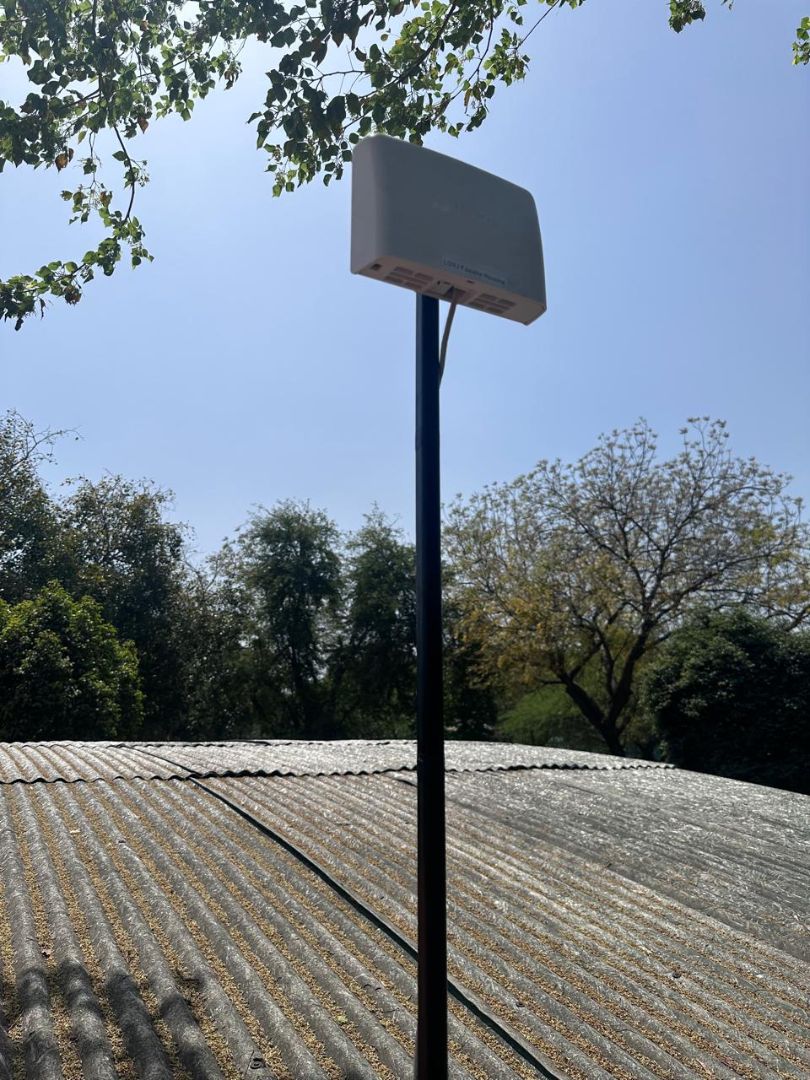
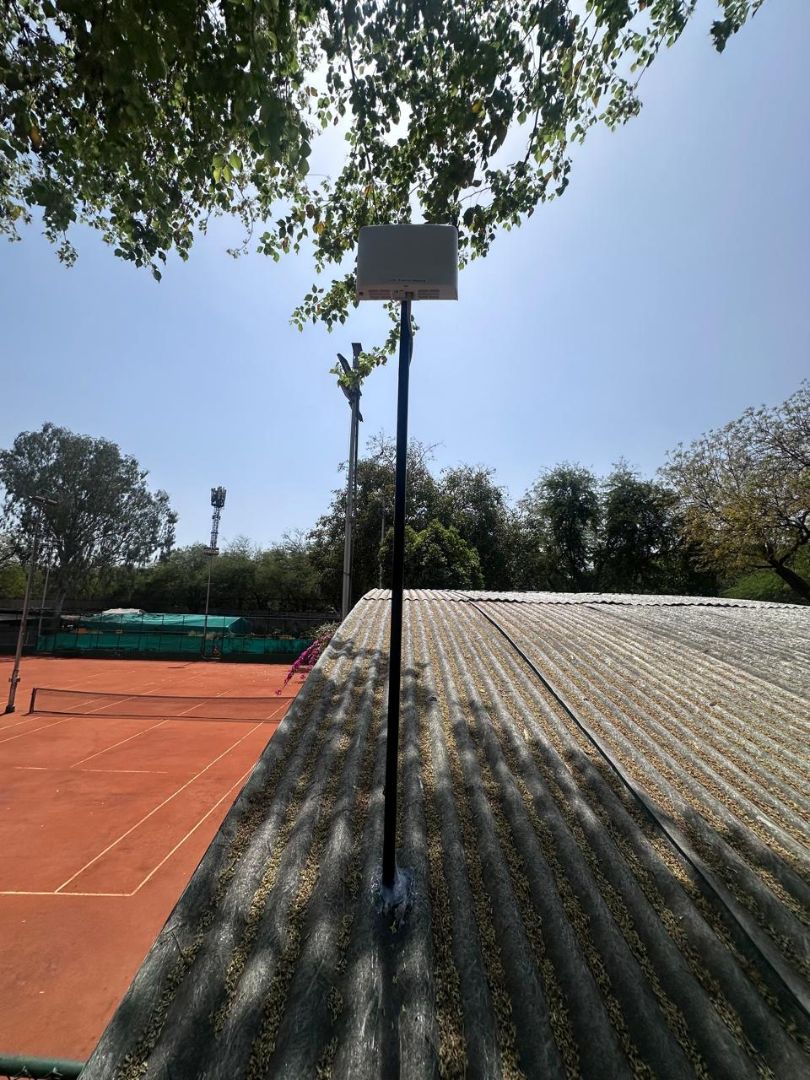
Station gallery

American Embassy School, MS Field, New Delhi
151
Newest stations deployed in New Delhi
AQI⁺ station ranking
Newest stations


Learn more about global air quality


Learn more about air pollution in New Delhi
How bad is the pollution level in New Delhi?
New Delhi is a major city in India, being the nations capital as well as the seat of the three branches of the Indian government. The two entities of New Delhi and Delhi are often used as one and the same, but represent a difference in terms of New Delhi being contained within the city of Delhi itself, and thus representing a microcosm of its parent city that is subject to the same pollutive issues and poor air quality.
New Delhi is one of the biggest commercial and economic powerhouses of India, home to many multinational companies as well as commanding a significant presence within the Asian Pacific market region. The service sector in the city has seen large scale expansion, with many people migrating in to work in fields such as IT, telecommunications, tourism and the hotel industry. Whilst this is great for its growing and emerging economy, it brings with it a large amount of pollutive issues, due to the massive increase in anthropogenic activity, construction of new buildings as well as widespread vehicle usage.
In early 2021, New Delhi was seen with PM2.5 levels going as high as 339.5 μg/m³, a number that is just as uncommon to be witnessed as it is dangerous. This reading would have put New Delhi into the ‘hazardous’ group ratings bracket for that particular day, a group that requires a PM2.5 reading of 250.4 μg/m³ or above, and as the name suggest is of severe detriment to the health of anyone exposed. Whilst not every day was subject to this high a level of pollution, the lower days still came in dangerously elevated, with lower readings still averaging 100 to 130 μg/m³, indicating that New Delhi does indeed have a bad level of air pollution.
What are some health issues associated with bad air quality in New Delhi?
With readings going as high as to render them with a ‘hazardous’ rating, there would subsequently be a large number of detrimental health effects that can afflict those exposed. Of note is that any pollution reading over the World Health Organizations target goal of 10 μg/m³ or less has the chance to cause ill effects, so as one would expect, readings that are in excess of 30 times this target goal would carry with them a significantly heightened chance of being struck by a health condition.
Some of these would include short term, acute issues such as shortness of breath, severe coughs, aggravation of preexisting conditions such as asthma as well as irritation to the nose, eyes, mouth and even skin, with rashes and allergies commonplace amongst those with a sensitivity to chemicals. More severe long term conditions would be ones such as chronic obstructive pulmonary disease (COPD), an umbrella term that include within it pneumonia, bronchitis and emphysema. Cancer rates would soar and damage to the blood vessels, liver, kidneys and lungs would all be commonplace, with certain toxic particulate matters being small enough to enter into the bloodstream via the lungs.
What are some of the main causes behind air pollution in New Delhi?
Some of the more significant contributors to pollution levels in New Delhi would be ones such as vehicular emissions, with the fumes emanating from motorbikes, tuk tuks and cars, along with more polluting heavy duty vehicles such as trucks and lorries as well as buses. Many of these would run on diesel fuels, as well as other lower quality fuels that contain higher amounts of chemicals such as sulfur, and compounding the situation even further, there would still be a large amount of aged vehicles and ancient motors inhabiting the roads, which can leak heavy amounts of oil vapors as well as put out far more fumes and pollutants than a newer or cleaner counterpart would do.
Other sources would include the open burning of waste and refuse, as well as the burning of organic matter such as wood for cooking and other domestic purposes. Factories, power plants and industrial zones also release large quantities of smog and haze, as well as any related industrial effluence depending on what product is being manufactured. The burning of crop stubble and other areas of farmland is a dangerous contributor, as well as even smaller details such as ceremonial firecrackers used during festivals putting out large amounts of novel chemicals and even toxic metals. As can be ascertained from this information, New Delhi sees its disastrous pollution levels coming together from multiple sources to produce the hazardous numbers of PM2.5 on record.
How does weather or landscape affect the air quality in Delhi?
Besides the numerous sources of pollution causing the drastic elevations in PM2.5, as well as other pollutants used in calculating the overall AQI, or air quality index such as ozone (O3) and PM10, other factors can play a part in the buildup of said pollution. Urban topography coupled with changes in weather such as colder temperatures, lack of wind and high humidity levels can all be contributing factors. When smoke and haze start to gather within the high rise buildings or road channels of the city, if there are not adequate amounts of prevailing winds to blow away the accumulated dust and pollution, or significant rainfall to wash it away, then subsequently the air quality suffers massively as a result, allowing the PM2.5 readings to reach such dangerous numbers as were seen on record.
Who will be most at risk from poor air quality in New Delhi?
Certain demographics are more at risk to air pollution, and whilst it must be noted that even the healthiest people can take significant physical damage from being exposed to hazardous levels of PM2.5 (with reports of visiting Sri Lankan cricket players experiencing extreme nausea and vomiting during a test match that took place in late 2017 due to the pollution levels present), it stands to reason that there are those who are even more at risk. They would include groups such as young children, as well as the elderly, pregnant mothers and those with preexisting health conditions or compromised immune systems, along with individuals that have a predisposition to chemical sensitivity. These would be the groups that are the most at risk in New Delhi.
Where is the cleanest air quality in New Delhi?
- 28, Block C85
- Air Check89
- Padmini Enclave, Hauz Khas105
- IQAir Outdoor Monitor @ Amrita Shergill Marg107
- Embassy of Belgium115
- Major Dhyan Chand National Stadium116
- Anandlok117
- Shadipur, New Delhi - CPCB126
- Patparganj131
- IndiGo_Emaar2_6th_floor139
- Nehru Nagar142
- American Embassy School Gate 5149
- American Embassy School, MS Field151
- Dr. Karni Singh Shooting Range151
- IGI Airport (T3), New Delhi - IMD152
- NSIT Dwarka, New Delhi - CPCB153
- Jawaharlal Nehru Stadium155
- Sirifort, New Delhi - CPCB155
- US Embassy in New Delhi155
- ITO, New Delhi - CPCB156
- Burari Crossing, New Delhi - IMD158
- Lodhi Road, New Delhi - IMD158
- IHBAS, Dilshad Garden,New Delhi - CPCB163
- North Campus, DU, New Delhi - IMD167
- DTU, New Delhi - CPCB170
- Mandir Marg172
- Talkatora Garden, Delhi - DPCC174
- Mandir Marg, New Delhi - DPCC176
- R K Puram176
- R K Puram, New Delhi - DPCC176
- Jahangirpuri196