Add
AddAir quality in Greensboro
Air quality index (AQI⁺) and PM2.5 air pollution in Greensboro • 7K Followers • 13:00, Apr 23

47
US AQI⁺Good

Main pollutant:
O₃
114 µg/m³

27°

9 km/h

27 %
Hourly forecast
Greensboro air quality index (AQI⁺) forecast


Daily forecast
Greensboro air quality index (AQI⁺) forecast
| Today | 45 | | 29° 16° |  17 km/h | 40% |
| Fri | 53 |  | 29° 17° | 17 km/h | 40% |
| Sat | 57 |  | 26° 15° | 22 km/h | 73% |
Air pollutants
What is the current air quality in Greensboro?

PM2.5 concentration is currently 1.3 times the World Health Organization annual PM2.5 guideline value.

Health recommendations
 Enjoy outdoor activities |
 Open your windows to bring clean, fresh air indoors Get a monitor |
Protect yourself from air pollution in Greensboro

Air Purifiers

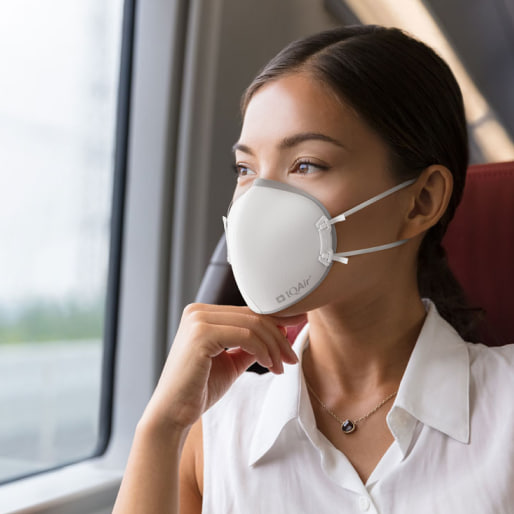
Face Masks

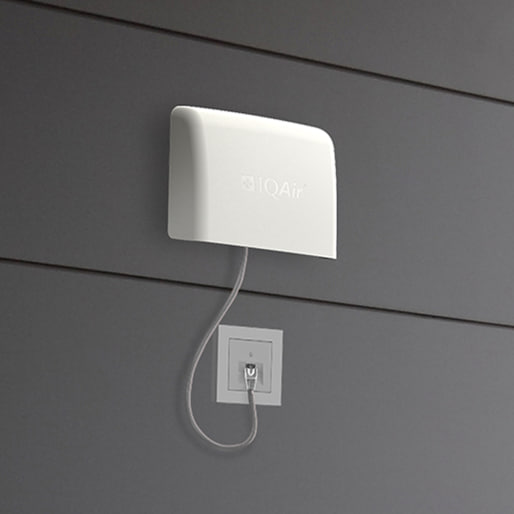
Air Quality Monitors
Pollen
What is the pollen count in Greensboro today?
Index

Moderate
 Tree Low | 25% |
 Grass Moderate | 50% |
 Weed None | 0% |
Source:
wetter.comHealth recommendations
Enjoy outdoor activities |
Open your windows to bring clean, fresh air indoors Get a monitor |
Pollen
What is the pollen count in Greensboro today?
Index
Moderate
Tree Low | 25% |
Grass Moderate | 50% |
Weed None | 0% |
Source:
wetter.comProtect yourself from air pollution in Greensboro
Air Purifiers
Face Masks
Air Quality Monitors
Most polluted locations near Greensboro
Worldwide AQI⁺ ranking
Station ranking
Real-time AQI⁺ station ranking for stations in Greensboro
City ranking
Real-time USA AQI⁺ city ranking
Historic air quality near Greensboro
History
Historic air quality graph for Greensboro
Historic air quality near Greensboro
History
Historic air quality graph for Greensboro
Most polluted locations near Greensboro
Worldwide AQI⁺ rankingStation ranking
Real-time AQI⁺ station ranking for stations in Greensboro
City ranking
Real-time USA AQI⁺ city ranking


Measure your own air quality
Get a monitor and contribute air quality data in your city.


Learn more about air pollution in Greensboro
What is the air quality like in Greensboro?
Greensboro has a respectable level of air quality, both in years past and continuing well into 2021. In July of 2021, Greensboro presented with a US AQI reading of 43, placing it within the 'good' rating bracket. Whilst this is the best air quality rating bracket, the PM2.5 count at the time was found to be mildly over exposure recommendations, and as such may cause minor aggravation for certain individuals.
In 2020, Greensboro came in with a PM2.5 yearly average of 7.5 μg/m³. This placed it in 3888th place out of all cities ranked worldwide, as well as 32nd place out of all cities ranked in North Carolina for the same year.
Overall, Greensboro is a city with a respectable level of air quality, although it may be subject to sudden spikes in air pollution, requiring certain individuals to take preventative measures such as wearing fine particle filtering masks or avoiding outdoor activity to safeguard against the detrimental effects of air pollution. Higher readings present in late July were US AQI readings of 61 and 69, which placed it into the 'moderate' air pollution bracket on those particular days.
US AQI readings are figures aggregated from the volume of the main pollutants found in the air throughout Greensboro and include ones such as ozone (O3), nitrogen dioxide (NO2), sulfur dioxide (SO2), carbon monoxide (CO) and the two forms of particle pollution, PM10 and PM2.5.
What are some causes of air pollution in Greensboro?
There are numerous causes of pollution present throughout Greensboro and much of North Carolina. Some of these would fall into the ‘ambient pollution’ bracket that assists in raising the year-round PM2.5 and US AQI count, whilst others can occur more spontaneously and cause large spikes in the air pollution levels. These acute ones would include wildfires, as well as other similar natural or man-made industrial disasters. Whilst fires are not a year-round occurrence when one does take place, smoke, haze and clouds of particles can accumulate rapidly, causing a number of issues to the environment, various ecosystems, as well as human health.
To cover some of the more ambient pollution sources, these would be ones such as fumes and exhaust given off by vehicles. With a growing populating coupled with increasing vehicle ownership, this is a persistent problem that affects the air quality not only in North Carolina but throughout the world. Although many incentives are being introduced that assist in reducing pollution levels caused by cars and other vehicles (with ones such as better public transport infrastructure, electric or low pollution vehicles, along with encouraging commuters to walk or use bicycles when possible) helping to put a dent in the pollution levels caused by cars, they remain pervasive.
Heavier freight vehicles such as lorries, trucks and buses would also be in use, used to transport large amounts of industrial materials, raw produce, food items and other goods in and out of the city and across state lines. These vehicles often utilize diesel as their main fuel source, and as such can put out far greater amounts of pollution than singular smaller cars or motorbikes ever could. The combustion of fossil fuels such as diesel leads to widespread particle pollution, as well as several noxious chemical compounds being released into the air.
Fine particles, or PM2.5 as mentioned, are considered the most dangerous form of pollution present in the air, hence why they are used prominently as a measure of air quality. PM2.5 are formed from a myriad of different ultrafine materials, which includes metals, soot, water and other liquid vapors, dust from many different sources such as earth, gravel or silica, along with sulfates, microplastics or other similar synthetic materials that have been worn down to minute sizes.
Besides the large amount of particle pollution that can be churned out from the exhausts of all of the aforementioned vehicles, the residual wear and tear of tire treads have a significant effect on the environment as well. Many tons of microscopic rubber particles can be released into the air, soil and bodies of water, causing damage to the health of people who inhale them, along with damaging vegetation and wildlife, also making their way into the food chain in the same manner as microplastics, which can have extremely negative consequences for future generations, with the ill health effects that such accumulation can bring already presenting itself in the form of endocrine system disruption, damage to the nervous system and many others.
Pollution levels given off by vehicles can cause spikes in pollution during certain times of the day, with rush hour traffic causing large amounts of fine particles, soot and chemicals to gather on the ground level, having negative effects on those that live nearby or those that may have to commute through such areas. Besides those with poor health or pre-existing health conditions, living next to busy roads (as well as living in proximity to construction or industrial sites) can put groups of people into the vulnerable or at-risk grouping, with constant exposure to fine particles and other pollutants often causing many ill health effects.
Other sources of air contamination are ones such as the formation of secondary pollutants such as ozone. Whilst this is a vital part of the stratosphere when on ground level it can be a highly dangerous and aggravating pollutant. Exposure to it can lead to irritation of pre-existing health conditions which include those that fall under the chronic obstructive pulmonary disease (COPD) bracket.
These include pneumonia, bronchitis, emphysema and asthma. Inflammation of the lung tissue can also occur, and with the chemical being formed as a result of primary pollutants such as the various oxides of nitrogen (NOx) along with other gases being exposed to solar radiation, thus being converted into ozone. Heavy vehicle usage can give out large amounts of these primary pollutants that are prerequisites of ozone formation, and as such ozone often forms heavily on roads, or in close proximity to them, especially during the summer months when sunshine will be far more consistent and more intense.
Other sources of air pollution present in Greensboro and North Carolina include pollution given off from construction sites, which can leak large amounts of finely ground particles, as well as heavy metals such as lead, mercury and cadmium also being produced as a byproduct of certain industrial processes. Power plants are also a significant contributor to air pollution levels. The combustion of fossil fuels such as oil, natural gas, coal and diesel all lead to these sites giving off their large amounts of pollution, which given the right meteorological conditions (lack of rain to tamp down heavier particles, as well as a lack of strong winds to blow away pollution accumulations), can build up significantly and cause large spikes in the PM2.5 count, affecting those throughout the city, in particular for inhabitants that live in neighborhoods with closer proximity to power plants, factories and other similar industrial sites.
These are a number of the main pollution sources present in Greensboro, as well as throughout the state. Vulnerable individuals should take extra care to partake in preventative measures when pollution levels rise by any considerable amount. Such air quality levels can be followed on the air quality map and forecasts present on this page, as well as via the AirVisual app.
When does Greensboro have the most air pollution present?
Greensboro maintained a respectable level of air quality throughout 2020, with every single month coming in within the World Health Organization's (WHO's) target goal of 10 μg/m³ or less.
Past years of average air quality in Greensboro include readings of 8.1 μg/m³ in 2017, 7.6 μg/m³ in 2018, 9.5 μg/m³ in 2019 and 7.5 μg/m³ in 2020. This indicates that Greensboro has improved upon its air quality condition over the past few years, although the large decrease (relatively speaking) seen between the years of 2019 and 2020 may be attributed to the cessation of travel due to imposed restrictions and curfews due to the outbreak of covid-19. The following few years will reveal whether Greensboro will continue to improve its air quality or fluctuate between similar numbers.
Out of all the months present in 2020, the ones that came in with the highest readings of PM2.5 were June through to August, as well as November and December, which all came in with respective readings of 8.5 μg/m³, 9.9 μg/m³, 8.7 μg/m³, 9 μg/m³ and 9 μg/m³, making July the most polluted month of the year with its reading of 9.9 μg/m³, keeping it just barely within the WHO's target goal of 10 μg/m³ or less by a fraction. Whilst this is still a respectable level of air quality by international standards, it was nearly double that of the cleanest month, indicating that Greensboro saw many months of the year in 2020 come in with slightly elevated readings.
What are some of the pollutants found in the air in Greensboro?
Whilst the main pollutants that go into making up the US AQI index has already been touched on, there would be a number of other ever-present pollutants found in the air in Greensboro, with some having a higher volume depending on the area. As mentioned, busy roads, construction sites or power plants can often carry with them far greater amounts of pollutants in the air nearby, with some novel pollutants even being found depending on certain industrial processes that take place (as an example, a factory that deals with plastic production would have higher quantities of chemicals associated with burnt plastic than other areas, although these would be uncommon in cities such as Greensboro).
Other pollutants that one can find would be ones such as black carbon, along with volatile organic compounds (VOCs). Black carbon is the main component of soot and has potent carcinogenic properties when inhaled. Furthermore, due to its ability to go down to ultrafine sizes and being part of the PM2.5 collective, black carbon can enter into the bloodstream via the alveoli, whereby it can cause a whole host of other health issues.
These include ones such as increased risk of lung cancer, ischemic heart disease, stroke, heart attacks, arrhythmias and even death. Black carbon also has climate-changing properties, being able to absorb solar radiation and release it directly as heat, creating a warming effect on the surrounding environment. As such it is another highly damaging pollutant that can have a great effect on both the health of humans, wildlife, vegetation and the environment as a whole.
VOCs, along with black carbon, are released from the incomplete combustion of both fossil fuels and organic material. As such, they can emanate from both vehicles, factory boilers, as well as forest fires or any source of combustion. VOCs are also the main contributors to indoor air pollution, being released from materials such as varnish, paints, glues, as well as bathroom or toiletry products such as perfumes, scented creams and aerosol sprays, as well as being released from burning scented candles. As such, the careful consideration of keeping these materials to a minimum in one’s household can help to reduce indoor pollution levels. Running air purifiers, if available, are also a prominent way to keep such levels low.
Examples of VOCs include cancer-causing chemicals such as benzene, as well as styrene, formaldehyde, toluene, xylene, methylene chloride and ethylene glycol.
Other pollutants that may be found in the air in Greensboro would be ones such as dioxins, furans, as well as polycyclic aromatic hydrocarbons, all of which can be released from the combustion of certain materials. There would be a host of other pollutants released from farming processes that come from animal wastage and fertilizers, although these tend to affect bodies of water and the earth more than that of the air quality.
When does Greensboro have the best level of air quality?
Observing the data taken from the 2020 records once again, it can be seen that whilst Greensboro maintained a respectable level of air quality throughout the entire year (once again with every month falling into the WHO's target goal of 10 μg/m³ or less, for the best quality of air), there were several months in which the PM2.5 count was even more respectable, with considerably lower levels of PM2.5 indicating that the air would be freer from smoke, haze and buildups of other hazardous pollutants.
The months that stood out as having the most respectable readings were January, February, April, May and September. Their respective readings were 5.3 μg/m³, 6.7 μg/m³, 5.2 μg/m³, 6 μg/m³ and 6.1 μg/m³. This put April into the top spot for the cleanest month of the year. Incidences of ozone would be significantly lower, along with fine particles permeating the air also being at an annual low. Those with pre-existing health issues would find months such as these the most optimal for conducting outdoor activity or exercise, with very few ailments or forms of respiratory aggravation presenting themselves due to the cleanliness of the air.